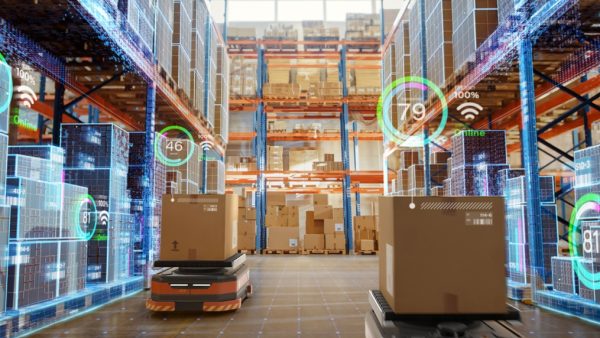
A digital twin is a virtual representation of a physical asset, process, system, or facility that is
continuously updated with real-world data. In the material handling industry, digital twins are
becoming increasingly valuable as warehouses, distribution centers, ports, factories, and logistics
hubs grow more complex, automated, and data-driven.
Material handling encompasses the movement, storage, control, and protection of goods throughout
manufacturing, warehousing, and distribution operations. A digital twin enables organizations to
understand, monitor, simulate, and optimize these activities without disrupting day-to-day operations.
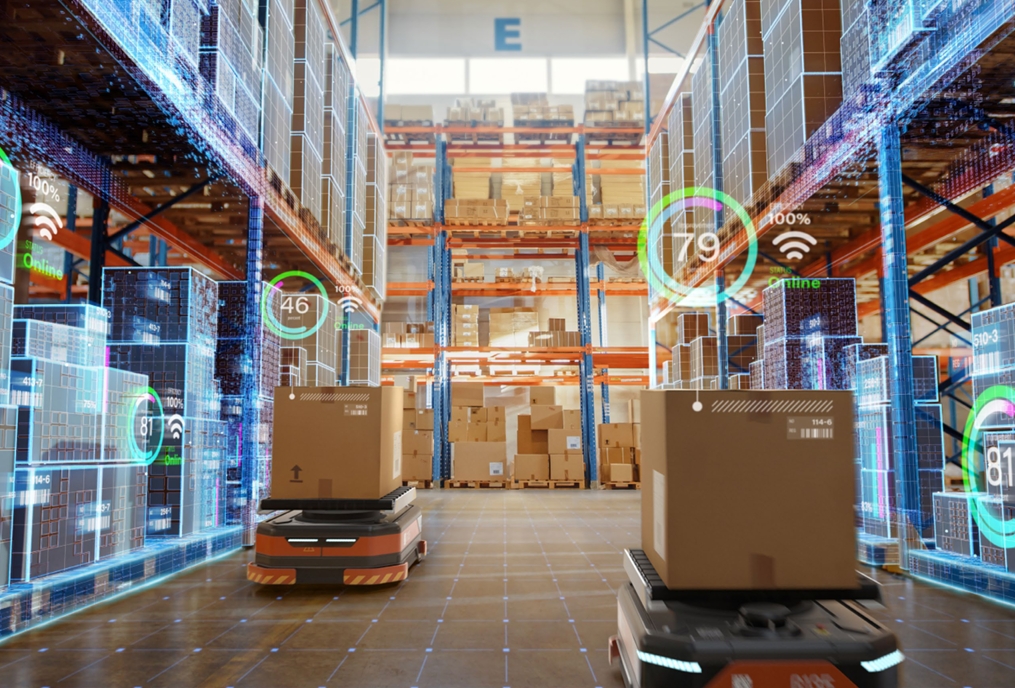 In simple terms, a digital twin creates a digital counterpart of a material handling environment. This
may include conveyors, automated storage and retrieval systems (AS/RS), forklifts, autonomous
mobile robots (AMRs), cranes, palletizers, sorters, packaging equipment, storage racks, inventory,
and even workforce activities. Data collected from sensors, warehouse management systems
(WMS), enterprise resource planning (ERP) systems, programmable logic controllers (PLCs),
machine vision systems, and Internet of Things (IoT) devices continuously feeds the model. The
result is a dynamic digital environment that mirrors what is happening on the warehouse floor or
throughout a manufacturing facility in near real time.