More than Storage: Don’t let Shelving be an Afterthought
So many things can go into designing and implementing warehouse systems that it can get overwhelming. Often the systems that move get the most attention. However, members of MHI’s Shelving Manufacturers Association (SMA) would like to remind folks that static systems like shelving and racking shouldn’t take a back seat when building and updating warehouse facilities. Shelving is an integral warehouse application.
Shelving and Storage Equipment
Shelving and rack systems are more than just storage; they are an important part of creating efficiency and solving problems in the warehouse. Along with automated systems and software integration, the right shelving can mitigate and/or support a variety of issues and situations, allowing warehouses to run smoothly with less downtime.
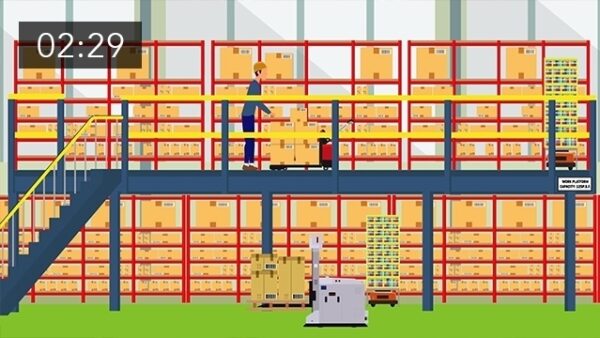
Shelving is also more than the shelves. Storage systems include equipment such as work platforms, pallet and cantilever racking, mezzanines, storage lockers and containers, and modular equipment. For this blog, we will focus on shelving.
Shelving comes in two forms: Boltless and bolted. Bolted is a heavier duty type of shelving where the shelves are fixed in position and can’t be moved. This type of shelving is more for heavier objects (e.g. auto parts, appliances) or is used when adding multiple levels inside the warehouse. While this shelving is secure, as warehouse operations grow and change, bolted shelves are static and unable to grow and change with the warehouse.
Boltless or clip-style shelving is the more common type found in warehouses that handle everyday products like apparel, food and beverage, consumer goods, etc. Because these products don’t require heavy duty fixed shelving, clip shelving can be configured in a variety of ways in a variety of warehouse applications, including buildings where both manufacturing and warehousing occur.
Instead of bolts, clips that can be installed by hand are used and the shelf sits on top of the clip. Boltless systems allow warehouses the ultimate in flexibility and capacity because as things change in the warehouse, boltless systems are easily adjustable and maneuverable. For example, if a warehouse starts out with small products, but wants to add larger items, the shelving can be adjusted to fit the size of the new products making it easier to add SKUs.
Another example of the importance of flexibility is for industries that have multiple supply chains, such as automotive service or retail. Automotive service warehouses typically have both in-house service departments that need parts for cars serviced on-site and they may also have retail sales for the public. In retail, items can be bulk sold to stores or individually by direct order to the public. Both in-house and sales departments need access to these warehouse items quickly and easily.
Heavy Metal
Having galvanized steel shelving is important because of its durability and stability, however, it’s also important to make sure the shelving steel is pre-form galvanized steel. This is more than just a coating on the surface of the steel. Depending on your warehouse application, having the galvanization built into the steel itself instead of on the surface provides additional safety and security. Pre-form galvanized steel means the protection is built into the equipment making it suitable for food facilities, cold storage environments, or warehouses with caustic (chemical) environments. Pre-form galvanized steel will never be compromised or rust, so it won’t contaminate products.
Consider Shelving along with Other Systems
Whether building a new warehouse or updating an existing one, including shelving along with automation and system design is important. Getting too far down the road in construction or design before shelving is consider could be an expensive mistake.
Greenfields: Shelving considerations need to be included when designing begins, not after construction starts. If the building isn’t designed with the proper layout or foundation strength, that could mean problems with shelving equipment. For example, any structural columns inside the building could be in locations that prohibit shelf installation or they are in places that leave unusable space inside the facility. Other issues could be having the loading docks in inconvenient locations away from shelving. Bringing on shelving professionals can alleviate these issues before they become expensive problems.
Brownfields: One of the biggest challenges to designing brownfields can be the people inside them. Especially for warehouses that have been operating for many years, the people involved can have tunnel vision. They don’t know all the new and improved options available to them. Brownfields need shelving experts to show them all the possibilities of their warehouse; not just recreating what was there before. Shelvng experts will ask questions to learn what the warehouse’s goals are. Is the goal simply to expand storage capacity or is it to improve overall efficiency? Without these consultations, it’s possible the shelving installed today won’t work in a few short years, leading to more expenses.
Whether it’s brown or green, planning ahead and working with a professional will prepare the warehouse for the long term.
Make Time for Shelving
In the past, shelving seemed like simple application that could be handled by the warehouse or put on the back burner while working on other systems. That is no longer the case. Shelving systems can be one of the largest pieces of equipment inside the building and how it is designed and configured will have a lasting impact on how a warehouse functions for years to come. Starting early in the process and working with an SMA member company will ensure that whatever shelving system the facility uses will be the right one for that business, adding value and security to all operations.